From $1,800 to Certificate: Toronto EV Charger Permit in 1–3 Weeks
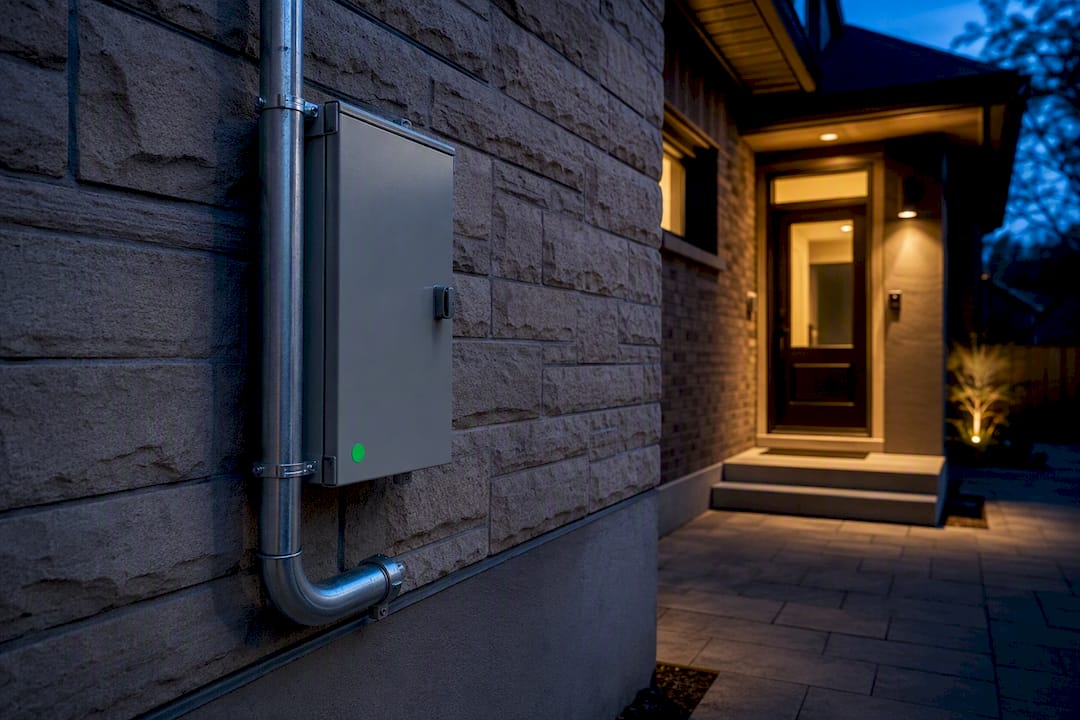
Yes. Ontario law requires an ESA notification of work, commonly called an electrical permit, for every residential EV charger installation, and a Licensed Electrical Contractor must file it before work starts. That contractor also arranges the final inspection. Skipping this step puts your home insurance and resale value at risk if anything ever goes wrong with the wiring.
TL;DR:
- A licensed electrical contractor must file an ESA notification of work before installation, which triggers the mandatory inspection and final certification.
- All chargers require a recognized Canadian certification mark, such as CSA, UL, or Intertek, to pass inspection and qualify for rebates.
- The permit and inspection process generally takes one to a few weeks unless a panel upgrade is needed due to existing electrical capacity limits.
- Homeowners should coordinate with Toronto Hydro early if a panel or service upgrade is necessary, as utility scheduling can add weeks to the timeline.
- Proper documentation, including ESA approval and certified equipment, is essential to access rebates, ensure homeowner safety, and protect resale value.
Table of Contents
- What paperwork do you need for a home EV charger in Toronto?
- Which equipment certifications are required in Canada?
- How long does the permit and inspection process take?
- Does Toronto Hydro need to be involved?
- What rebates are available, and how does the permit affect them?
- How do you apply for an EV charger permit in Toronto?
- Why do permit applications get denied or delayed?
- What does an EV charger permit and inspection cost in Toronto?
- Why compliance matters beyond the installation
- How EV Install Pro handles your permit, inspection, and rebate paperwork
- Sources
What paperwork do you need for a home EV charger in Toronto?
A residential EV charger install in Ontario runs on two documents, and homeowners rarely see either one unless they ask. The first is the notification of work filed with the Electrical Safety Authority (ESA) before your electrician touches a wire. This is what most people mean when they say “electrical permit,” and it’s what triggers ESA’s inspection process. Your Licensed Electrical Contractor (LEC) files it, not you, and not the equipment manufacturer.
The second document is the ESA Certificate of Acceptance, issued after the inspector signs off on the finished work. This is the piece of paper that actually proves your installation meets the Ontario Electrical Safety Code.
Here’s what to expect on paper:
- Notification of work: filed by your LEC before the job begins, tied to your address and the scope of work.
- ESA Certificate of Acceptance: issued after inspection, referencing the specific charger model and serial number.
- Building permit: almost never required for a charger alone, but can apply if you’re also altering structural elements like a garage wall or adding a new electrical service entrance.
Keep the certificate somewhere you’ll actually find it again, ideally with your home insurance file and any documents you’ll hand to a future buyer.
Which equipment certifications are required in Canada?
Every charger installed in Ontario needs a recognized Canadian certification mark, and this isn’t a suggestion. The ESA specifically requires equipment bearing certification from an accepted agency such as CSA, UL, or Intertek, each of which independently tests electrical products for safety before they can legally be installed in a Canadian home.
Look for the certification mark stamped or printed directly on the charger housing or its data plate, not just mentioned in a sales brochure. A charger bought online from a US retailer or overseas marketplace without one of these marks can fail inspection outright, even if it performs perfectly well south of the border. That’s a real problem, because it means paying for the unit, paying for labour, and then paying again to remove and replace it once the inspector flags it.
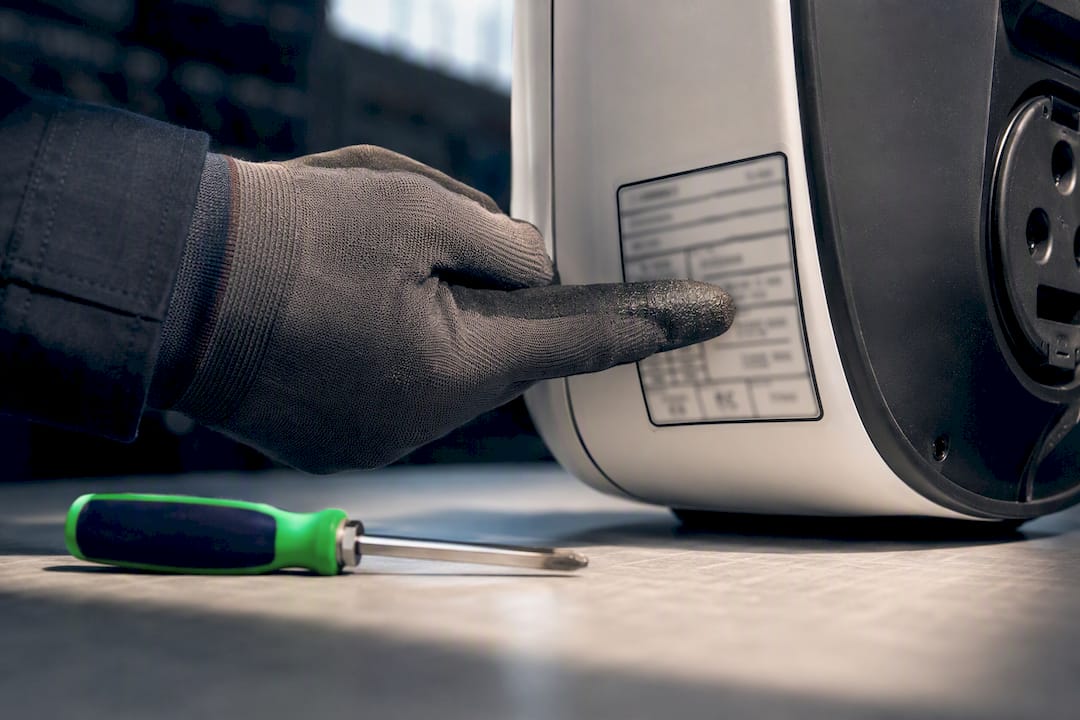
Ontario’s own guidance tells homeowners to confirm equipment certification before installation starts, alongside getting the ESA permit and hiring a licensed contractor. Any reputable electrician doing Level 2 charger installations in Toronto will already be sourcing certified equipment as a matter of course, but it’s worth asking to see the certification mark yourself before the installation date, particularly if you’ve picked out a specific charger model on your own.
How long does the permit and inspection process take?
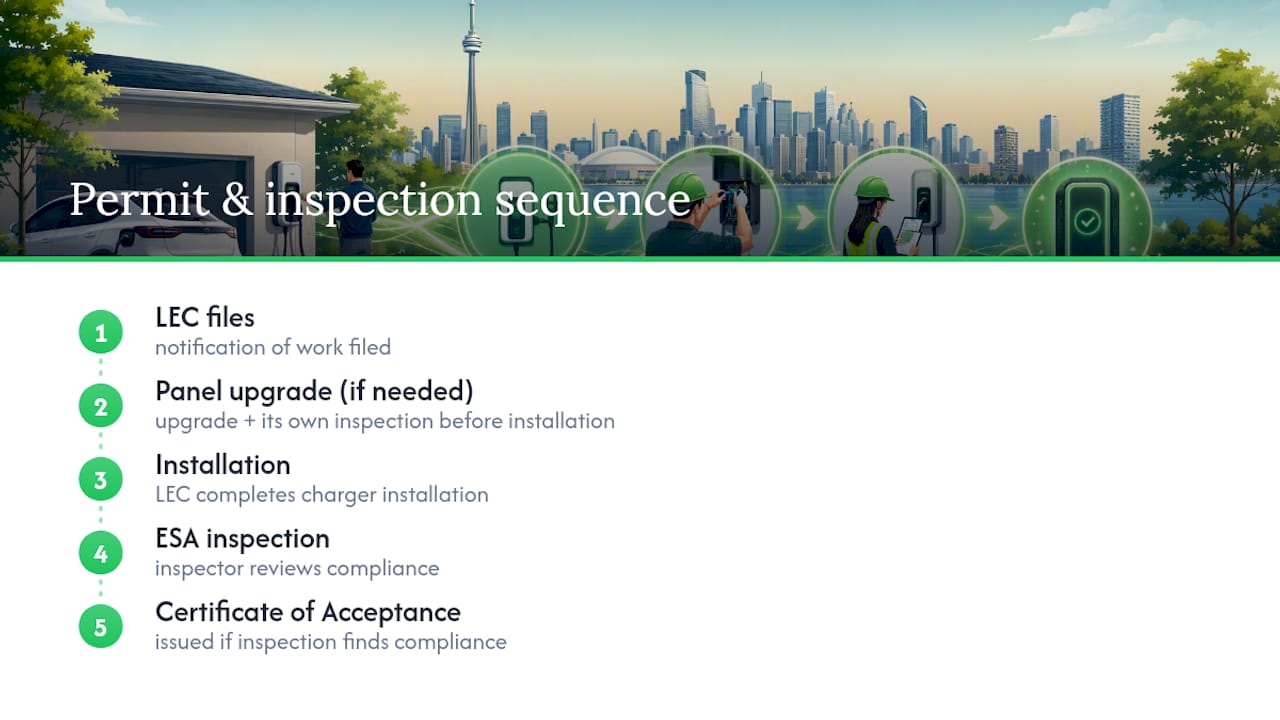
Most straightforward residential installs move from permit filing to Certificate of Acceptance within one to a few weeks, though the exact timeline depends heavily on your electrical panel’s condition and how quickly ESA can schedule an inspector. A simple job on a panel with available capacity tends to move fastest.
The sequence looks like this: your LEC files the notification of work, completes the installation, then requests the ESA inspection. If the inspector finds everything compliant, the Certificate of Acceptance follows shortly after. If your home needs a panel upgrade first, add real time to that estimate, since panel work is its own project with its own inspection step before the charger installation can even begin.
Toronto’s older housing stock complicates this more than people expect. A lot of homes built before the 1980s are still running 100-amp service, which often can’t support a Level 2 charger alongside existing loads like a stove, dryer, and central air conditioning. When that’s the case, the panel upgrade becomes the long pole in the schedule, not the charger itself.
Pro Tip: Ask your electrician for a written, conditional timeline upfront that flags whether a panel or service upgrade is likely needed. A vague verbal estimate is how homeowners end up surprised three weeks into what they thought was a two-day job.
Reviewing the expected installation process and timeline before booking gives you a realistic picture of what “normal” looks like in Toronto specifically, rather than a generic national average.
Does Toronto Hydro need to be involved?
Sometimes, and it depends entirely on your home’s existing electrical capacity. Toronto Hydro recommends a preliminary consultation whenever site selection or electrical capacity is uncertain, which in practice covers a lot of older homes across the city.
If your panel can’t handle the added load of a Level 2 charger, your options are a panel upgrade, a service upgrade coordinated with Toronto Hydro, or smart load management technology like an EVEMS system that shares existing capacity between your charger and your home’s other loads without touching the utility connection at all. That third option can sometimes let you skip a service upgrade entirely, which matters because upgrades that involve Toronto Hydro carry their own lead times separate from the ESA permit process.
This is where a lot of DIY research runs into trouble. Homeowners often assume the ESA permit is the only clock running, then get blind sided when a required service upgrade adds weeks because Toronto Hydro has to schedule its own crew. Building that lead time into your expectations from day one avoids the frustration of a charger sitting uninstalled in your garage while paperwork moves between two different organizations.
What rebates are available, and how does the permit affect them?
Ontario and federal rebate programs for EV chargers exist, and they typically require proof that the installation was done legally, meaning your ESA Certificate of Acceptance and documentation naming a Licensed Electrical Contractor. Rebate administrators want to see that the equipment installed matches certified, eligible models, and they usually ask for the model and serial number referenced on your certificate.
This is one of the most overlooked links in the whole process: your permit paperwork isn’t just a safety formality, it’s your rebate application’s supporting evidence. A homeowner who skips proper permitting to save money upfront can end up ineligible for rebates worth thousands of dollars, which defeats the purpose of trying to save money in the first place.
Rebate programs also shift from year to year, so the smartest move is confirming current eligibility and required documentation before your installation date, not after. A current rebate guide covering Ontario programs can tell you what’s actually available right now and what paperwork each program expects. If your project overlaps with broader home renovation work, it’s also worth checking whether it intersects with other home renovation tax credit programs available to Canadian homeowners, since panel upgrades sometimes qualify differently than the charger installation itself.
How do you apply for an EV charger permit in Toronto?
The application itself isn’t something you do at a counter or through a City of Toronto portal. It runs through the ESA, and in practice, your electrical contractor handles nearly every step on your behalf.
- Hire a Licensed Electrical Contractor. This isn’t optional. ESA rules require an LEC to file the notification of work, and while homeowners can technically self-file in some circumstances, doing so invites errors that delay inspection.
- Confirm equipment and site details. Your electrician assesses your panel capacity, chosen charger model, and mounting location, flagging early whether a panel or service upgrade is needed.
- LEC files the notification of work with ESA. This happens before any wiring begins, establishing the official record for your address.
- Installation happens. A typical straightforward job takes a matter of hours once scheduled, assuming no panel upgrade is required.
- ESA inspection is requested. Your contractor arranges this directly; you don’t need to call ESA yourself.
- Certificate of Acceptance is issued. This is your proof of compliance, and it’s the document rebate programs and insurers will ask to see.
Homeowners who try to shortcut this by ordering a charger online and hiring an unlicensed handyman routinely discover the hard way that ESA won’t issue a certificate for work an LEC never filed for. That gap can’t be fixed after the fact without redoing the paperwork properly.
Why do permit applications get denied or delayed?
Most denials and delays trace back to a handful of predictable causes, and nearly all of them are avoidable with the right contractor.
- Uncertified equipment: a charger without a CSA, UL, or Intertek mark fails inspection regardless of how well it functions.
- Insufficient panel capacity: filing for an installation the existing service can’t safely support gets flagged during review.
- Incomplete or inaccurate filing: missing model numbers, incorrect addresses, or vague scope descriptions slow ESA’s review.
- Unlicensed installer: work performed or filed without a proper LEC of record isn’t accepted, even if the wiring itself is technically sound.
- Missing Toronto Hydro coordination: when a service upgrade is required but wasn’t flagged early, scheduling conflicts can stall the whole project.
The pattern behind nearly every one of these is the same: incomplete preparation before filing. Best-practice permitting research consistently points to complete documentation and clear scope as the biggest factor in speeding approvals, and that holds true in Toronto’s ESA process as much as anywhere else. An experienced LEC who has filed dozens of these permits knows exactly what ESA inspectors look for, which is precisely why choosing the right contractor matters more than choosing the cheapest one.
What does an EV charger permit and inspection cost in Toronto?
The ESA notification of work itself is typically bundled into your contractor’s overall installation quote rather than billed as a separate line item, so most homeowners never see a standalone “permit fee” on their invoice. What actually drives your total cost is the scope of electrical work behind that permit.
A straightforward Level 2 install on a panel with existing capacity sits at the lower end of the range. Add a panel upgrade, and your total installation cost climbs accordingly, since that’s a separate scope of work with its own labour and materials. A service upgrade involving Toronto Hydro adds further cost and, as covered earlier, extra scheduling time.
The inspection itself doesn’t carry a separate homeowner-facing fee beyond what’s already built into your contractor’s quote for handling the ESA filing and coordination. Where costs actually spike is when a homeowner discovers mid-project that their 100-amp panel can’t handle the load, turning what looked like a single afternoon job into a multi-week project with two permits instead of one. Getting an accurate assessment of your home’s electrical capacity before signing a quote is the single best way to avoid that surprise entirely.
Why compliance matters beyond the installation
Every ESA-licensed installer I’ve come across treats the permit and certificate as non-negotiable, and it’s not bureaucratic caution for its own sake. Insurers can deny claims tied to uncertified electrical work, and buyers’ lawyers now routinely ask for EV charger documentation during home sales. Collecting your paperwork properly isn’t busywork. It’s the difference between a charger that adds value to your home and one that becomes a liability the day something goes wrong. Before you hire anyone, ask directly whether they’ll file the ESA notification themselves and provide the Certificate of Acceptance once the work is done. A contractor who hesitates on that question is telling you something important.
— Hafiz
How EV Install Pro handles your permit, inspection, and rebate paperwork
A professional ESA-licensed team can handle the permit filing, inspection scheduling, and rebate paperwork on your behalf, so you’re never the one chasing three different organizations for sign-off.
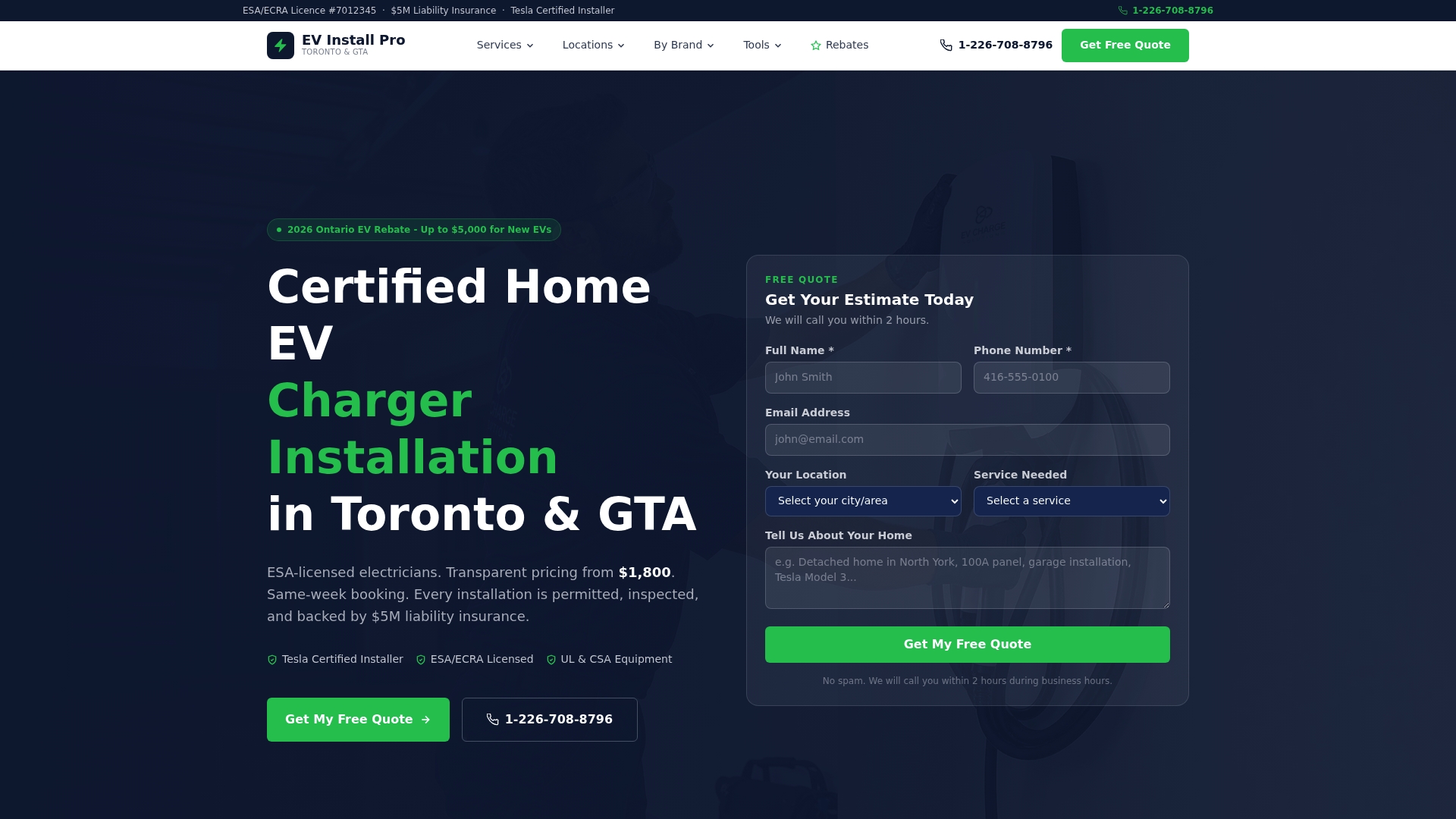
Every job starts from ESA-licensed electricians managing the notification of work and the Certificate of Acceptance at no extra charge, with pricing starting from $1,800 and same-week booking for homeowners who don’t want to wait weeks for a consultation slot. Evchargerinstallationtoronto also handles rebate applications directly, worth up to $5,000 on qualifying new EV purchases, backed by a 4.9 rating from Toronto homeowners who’ve been through the process. If your panel needs an upgrade or your load calculation is tight, the team also installs EVEMS smart load management systems that can skip a costly service upgrade altogether.
If you’re ready to see what your specific installation would cost, the free cost calculator gives you a real estimate in minutes, no guesswork required before you commit to a quote.
Sources
- Electrical Safety Authority — EV charging systems
- Ontario
- Toronto Hydro — electric vehicle charging connection requirements
Recommended
Get Your Free Installation Quote
Free assessment · ESA permit included · Same-week availability across the GTA